
 Posted by
 Hey there! So, you’ve probably heard the term “Problem Management” thrown around, especially if you’re in IT or a related field. But what exactly does it mean? Let’s dive into the nitty-gritty of Problem Management, and I promise to keep it engaging and easy to digest.
Imagine you’re at work, and suddenly, there’s a system outage. Everyone’s scrambling, trying to figure out what’s wrong and how to fix it. This is where Incident Management comes in. It’s all about putting out fires and getting things back on track. But here’s the kicker – Problem Management is about making sure those fires don’t happen again. It’s the behind-the-scenes work that identifies and tackles the root causes of incidents.
Now, let’s break this down further. At its core, Problem Management has two main goals: to prevent problems and resulting incidents from happening and to eliminate recurring incidents. Think of it as a proactive and a reactive approach combined. On one hand, we’re looking for potential issues before they cause trouble, and on the other hand, we’re learning from past incidents to prevent a repeat performance.
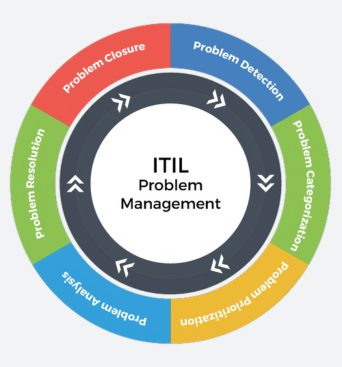
A big part of this process is something called Problem Identification. This is where we keep our eyes peeled for anything that could cause an issue. Maybe it’s a glitch in the software that hasn’t caused any big problems yet but could in the future. Or perhaps it’s feedback from users about intermittent issues that haven’t been fully resolved. By identifying these potential problems early, we can nip them in the bud before they escalate.
Once we’ve identified a problem, the next step is to categorize and prioritize it. Not all problems are created equal, right? Some are minor annoyances, while others could bring the whole system down. By categorizing problems, we can tackle them in a structured way. Prioritization helps us focus our resources on the most critical issues first. It’s like making a to-do list but for problem-solving.
After that, we move on to Problem Diagnosis. This is the detective work where we dig deep to find out what’s causing the problem. It’s like solving a mystery. We gather data, look at logs, and maybe even interview people who’ve experienced the problem. The goal here is to understand the underlying cause so we can fix it once and for all. It’s not just about fixing the symptoms but getting to the root of the issue.
Once we’ve diagnosed the problem, it’s time for the Resolution. This is where we put our plan into action to fix the problem. It could involve changing a process, updating software, or maybe even replacing hardware. The key is to implement a solution that addresses the root cause and prevents the problem from recurring. It’s like curing an illness rather than just treating the symptoms.
But we’re not done yet. After the resolution, we need to Review and Close the problem. This means looking back at what happened and evaluating our response. Did we solve the problem effectively? Could we have done something better? This step is crucial because it helps us learn and improve our problem-management process. It’s like a post-game analysis where we look at what worked and what didn’t.
So, there you have it! Problem Management in a nutshell. It’s all about being proactive and thorough, ensuring that we not only fix problems but also prevent them from happening again. By identifying, diagnosing, and resolving problems effectively, we create a more stable and reliable environment. And remember, the goal isn’t just to fix what’s broken but to continuously improve so that fewer things break in the first place. Thanks for joining me on this deep dive into Problem Management!