
 Posted by
 In the ever-evolving landscape of Information Technology Service Management (ITSM), the concept of change is not merely a possibility but a constant reality. Organizations strive to adapt to emerging technologies, market trends, and customer needs, necessitating systematic approaches to manage change effectively. Within the framework of ITSM and the IT Infrastructure Library (ITIL), change management emerges as a critical discipline, ensuring that alterations to IT services are implemented smoothly, minimizing disruptions and maximizing benefits.
Understanding Change Management
At its core, change management in the context of ITSM and ITIL refers to the structured approach of transitioning individuals, teams, and organizations from the current state to a desired future state while minimizing resistance and maximizing efficiency. It encompasses a set of processes, tools, and strategies aimed at managing the impact of changes on IT services, infrastructure, and business operations.
Key Components of Change Management
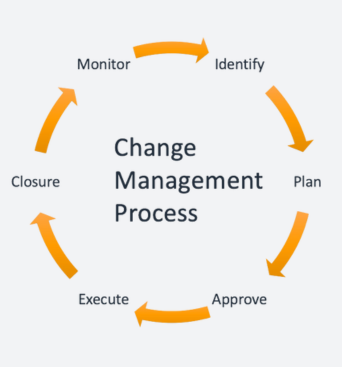
- Change Identification: The process begins with identifying the need for change, whether it stems from new business requirements, technology upgrades, regulatory compliance, or other factors. This stage involves thorough analysis and assessment to determine the scope, impact, and urgency of the proposed changes.
- Change Evaluation and Prioritization: Not all changes are created equal. Change managers evaluate proposed changes based on criteria such as risk, cost, benefits, and alignment with business objectives. Prioritization ensures that resources are allocated efficiently, focusing on changes that deliver the most value to the organization.
- Change Planning: Once changes are approved, a comprehensive plan is developed outlining the steps, resources, timelines, and responsibilities involved in implementing the change. Clear communication and stakeholder engagement are essential during this stage to ensure alignment and mitigate resistance.
- Change Implementation: This phase involves executing the change plan, and deploying new systems, configurations, or processes while adhering to predefined procedures and protocols. Effective coordination and collaboration among various stakeholders, including IT teams, business units, and external vendors, are crucial to successful implementation.
- Change Review and Documentation: After the change is implemented, it is essential to evaluate its impact on IT services and business operations. This stage involves gathering feedback, analyzing performance metrics, and documenting lessons learned to improve future change initiatives.
- Change Communication and Training: Throughout the change lifecycle, transparent communication is vital to keep stakeholders informed about the progress, benefits, and potential disruptions associated with the change. Training and support ensure that individuals impacted by the change possess the necessary skills and knowledge to adapt to new systems or processes.
The Role of Change Management in ITSM and ITIL
In the broader context of ITSM and ITIL, change management serves as a linchpin that connects various ITIL processes, such as incident management, problem management, and service transition. By providing a structured framework for handling changes, IT organizations can mitigate risks, minimize service disruptions, and maintain alignment with business objectives.
Moreover, change management promotes a culture of continuous improvement by facilitating the adoption of best practices, standardizing processes, and fostering collaboration across departments. It enables organizations to respond swiftly to market dynamics, technological advancements, and regulatory requirements, thereby enhancing their agility and competitive advantage.
Challenges and Best Practices
Despite its benefits, implementing effective change management poses several challenges, including resistance to change, complexity of IT environments, and resource constraints. However, by embracing best practices such as clear governance, robust risk assessment, automation, and stakeholder engagement, organizations can overcome these challenges and unlock the full potential of change management in driving innovation and growth.
In conclusion, change management in the context of ITSM and ITIL is not merely a procedural requirement but a strategic imperative for modern organizations. By embracing a structured approach to managing change, organizations can navigate complexities, mitigate risks, and capitalize on opportunities in today’s dynamic IT landscape. As technology continues to evolve, the ability to adapt and innovate effectively will distinguish successful organizations from their competitors.