
 Posted by
 Hey there! Let’s dive into the fascinating world of incident management, a critical process for any organization that wants to stay on top of its game. Picture this: you’re sailing smoothly on a vast ocean, and suddenly, a storm hits. How do you navigate through it? That’s what incident management is all about. It’s your navigation system in the stormy sea of IT mishaps, ensuring your ship, aka your organization, doesn’t capsize.
First off, understanding what an incident is sets the stage. An incident is essentially any unplanned disruption or reduction in the quality of a service. Think of it like when your Wi-Fi suddenly drops during a crucial video call. It’s unplanned, it’s annoying, and it needs to be fixed pronto. Incident management is the structured approach to handling these disruptions. It ensures that normal service operation is restored as quickly as possible with minimal impact on business operations.
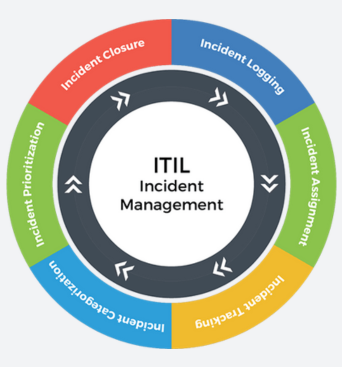
The lifecycle of an incident starts with identification. This is where you detect that something’s gone awry. Maybe a user reports an issue, or your monitoring systems flag a problem. It’s like spotting the first signs of trouble on your radar. Early identification is crucial because the sooner you know about the problem, the quicker you can respond.
Once an incident is identified, it moves to logging. Logging might seem mundane, but it’s vital. This is where every detail about the incident is recorded. Imagine keeping a detailed ship’s log – it includes everything from the time the problem was noticed to what systems are affected. This not only helps in managing the incident but also serves as a valuable reference for future issues.
Classification and prioritization come next. Not all incidents are created equal. Some are minor hiccups, while others can bring your entire operation to a standstill. Classifying incidents helps in understanding the nature of the problem, and prioritizing them ensures that the most critical issues get addressed first. It’s like triaging patients in an emergency room – you need to know who needs immediate attention and who can wait a bit.
Now, we move to the diagnosis phase. This is where the real detective work begins. Your team investigates the incident to figure out what went wrong. It’s akin to diagnosing a patient – you need to understand the symptoms to treat the disease effectively. This stage often involves a lot of technical probing, checking logs, running diagnostics, and sometimes, a bit of educated guesswork.
Once you’ve diagnosed the problem, it’s time for resolution and recovery. This is where the fix is implemented, and the service is restored to normal. Think of it as administering the right medicine to your patient. The aim is to get everything back to working order as swiftly as possible. The resolution could be a quick reboot, a patch, or a more complex fix, depending on the incident.
After the incident has been resolved, there’s the closure phase. This involves confirming that the incident has indeed been resolved and that users are satisfied with the outcome. It’s like giving a patient a final check-up to ensure they’re truly well before discharging them. Closure also includes documenting what was done to resolve the issue, which is crucial for knowledge sharing and future reference.
Lastly, there’s the post-incident review. This is often overlooked, but it’s one of the most important steps. Here, you analyze what went wrong, what was done to fix it, and how it can be prevented in the future. It’s like a debrief after a mission – discussing what worked, what didn’t, and how to improve. This stage is vital for continuous improvement, ensuring that your incident management process becomes more efficient over time.
So, there you have it – a whirlwind tour of incident management. It’s all about being prepared, staying calm in the face of chaos, and learning from every incident to improve your resilience. Just like navigating through stormy seas, incident management requires skill, vigilance, and a proactive approach to ensure smooth sailing. Happy sailing, and may your incidents be few and far between!